Fall 2019

Edited by Nicholas Pevzner & Stephanie Carlisle

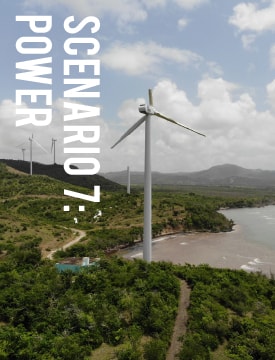
Infrastructure is always political, and energy transitions have always been contested, pitting established players against upstart technologies and new coalitions. How can a radical reimagining of energy infrastructure create opportunities for an inclusive and participatory conversation about climate change and social justice? Who has the power to talk about infrastructure, and who gets left out?
Introduction: Power
Community Power As Provocation: Local Control For Resilience And Equity
Our Energy For Our Country
Speculative Designs For Energy Democracy
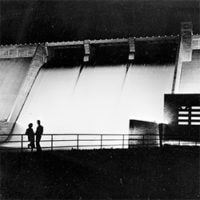
The TVA, Fuzzy Spaces Of Power, And Other Purposes

The Missouri River Basin: Water, Power, Decolonization, And Design
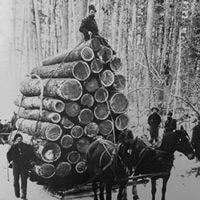
Power Plant Power
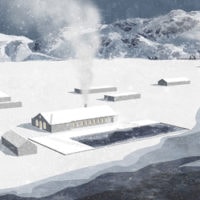
Arctic Present: The Case Of Teriberka
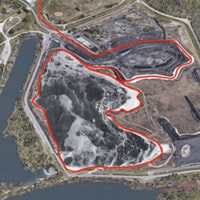
Coal Ash Wastescapes: The Byproduct Of Our Coal-Fired Power Dependency
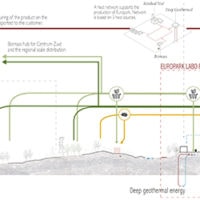
Biomass For All: Designing An Inclusive Biomass Infrastructure
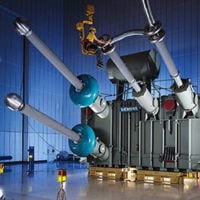
China’s Giant Transmission Grid Could Be The Key To Cutting Climate Emissions
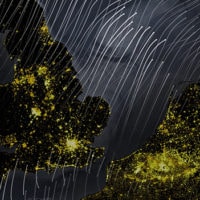
2050 – An Energetic Odyssey: Persuasion By Collective Immersion
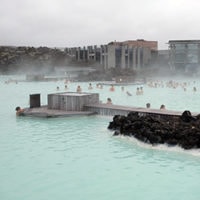
The Blue Lagoon: From Waste Commons To Landscape Commodity
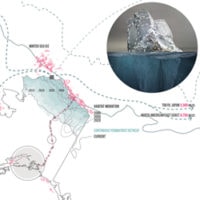
Territory Of Extraction: The Crude North
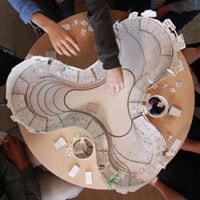
Daylighting Conflict: Board Games As Decision-Making Tools

Popular

    The Performative Ground: Rediscovering The Deep Section

    by Stephanie Carlisle and Nicholas Pevzner

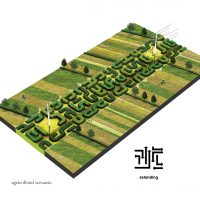
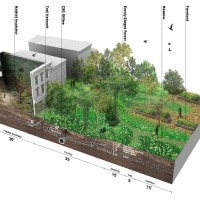
    The landscape we see happens above ground, yet much of its true intelligence lies beneath the surface.

    Made in Australia: The Future of Australian Cities

    by Richard Weller & Julian Bolleter

    The Australian population is increasing at a rate of one person every 84 seconds. Taking population growth seriously means planning for an extra 40 million Australians by century’s end.

    Contested landscapes: Staking claims in Michigan’s copper country

    by Elizabeth Yarina

    The return of copper mining to Michigan has ignited fierce public debate over landscape value and public land. A diverse set of groups has made competing claims to the landscape, seeing it as vertical territory.

    Brooklyn Bridge Park

    by Sarah Kathleen Peck

    Currently under construction, Brooklyn Bridge Park will eventually encompass approximately eighty-five acres and 1.3 miles of the previously industrial waterfront directly across from downtown Manhattan.

    A Monument to Mining

    by Alexander Breedon

    Australia’s economy and its cities are inextricably linked to coal. This proposal for a polemical “monument to mining” questions Australia’s relationship with coal mining and addresses the dualistic spatial relationship between the city and its regional territory.

    Buffalo Bayou Promenade

    by Sarah Kathleen Peck

    The Buffalo Bayou Promenade connects Houston’s downtown core to the river park under and through a neglected and nearly impossible mess of freeways and bridges, adding twenty-three acres of parkland to Houston’s inner city.

    Biomass for all: designing an inclusive biomass infrastructure

    by Julie Marin, Charlotte Timmers and Bruno De Meulder

    Energy and materials transition in Flanders will inevitably go hand in hand with transforming landscapes.

    Landscape and Displacement: a practical intervention on a Syrian Informal Settlement in Lebanon

    by Maria Gabriella Trovato

    Emergency landscapes suffer from a fractured sense of belonging. Here, several strategies for designing flexible spaces for refugees.

    An Interview With Charles Waldheim: Landscape Urbanism Now

    by Meg Studer

    Meg Studer interviews Charles Waldheim, chair of landscape architecture at Harvard, about the significance of landscape urbanism in today's volatile economic, political, and environmental conditions.

    Movebank: An interview with Roland Kays

    by Nicholas Pevzner & Stephanie Carlisle

    Better tracking technology is increasing researchers’ knowledge of animal movement. An interview with a co-founder of the Movebank animal tracking platform.